Can PCOS Women Conceive Naturally? Doctor Guide for Natural Pregnancy With PCOS
Can PCOS women conceive naturally is a question many women ask immediately after getting diagnosed with PCOS. The good news is that most women with PCOS can conceive naturally, especially when ovulation becomes regular and lifestyle factors are controlled early. PCOS delays pregnancy mainly because it affects hormone balance and ovulation timing, not because it permanently stops fertility.
This doctor-written guide explains the actual reasons pregnancy gets delayed in PCOS, what improves natural fertility, how to track ovulation correctly, and when medical treatment becomes necessary.
Understanding PCOS and Why Pregnancy Gets Delayed
Can PCOS women conceive naturally.PCOS (Polycystic Ovary Syndrome) is a hormonal condition where ovulation becomes irregular or delayed. Many women with PCOS have a good egg reserve, but the eggs may not mature and release regularly, which reduces the chance of pregnancy each month. The most important point is that PCOS is treatable, and fertility improves when hormonal balance improves.
PCOS is commonly associated with irregular periods, acne, excess hair growth, weight gain and insulin resistance. In fertility practice, we often see that the biggest issue is not the ovaries having follicles, but the problem of PCOS ovulation problem and pregnancy which makes fertile days unpredictable and delays conception.
Can PCOS Women Get Pregnant Without Treatment?
Can PCOS women conceive naturally.Yes, many women conceive naturally without heavy fertility treatment, especially in mild PCOS. If the cycle becomes somewhat regular and ovulation occurs once every 35–45 days, natural pregnancy is possible. Couples often panic when they hear “PCOS,” but PCOS itself is not equal to infertility.
In many cases, natural pregnancy happens once couples correct timing and improve lifestyle. One important step is confirming that periods are not being delayed due to thyroid imbalance or prolactin elevation. Clinically, PCOS irregular periods how to conceive becomes a key focus area because cycle irregularity affects ovulation timing and reduces monthly pregnancy probability.
Why Ovulation Matters More Than Cysts in PCOS
Can PCOS women conceive naturally.Many first-time patients misunderstand PCOS as “cysts that block pregnancy.” The multiple small follicles seen on ultrasound are not harmful cysts. They are small immature follicles that didn’t develop fully because hormonal signals were not stable.
Ovulation is essential because pregnancy happens only when egg meets sperm. In PCOS, insulin and androgen hormones may prevent a dominant follicle from maturing and releasing egg at the right time. That is why the real target in PCOS fertility care is how to improve ovulation in PCOS naturally so that fertile days become predictable and chances of conception increase.
Natural Ways to Improve Fertility in PCOS
Weight Loss and Natural Conception in PCOS
Even small weight reduction improves fertility dramatically. In many women, losing 5–10% body weight improves insulin sensitivity and helps restart ovulation. This is one of the strongest natural methods for improving conception chances in PCOS.
However, weight loss should be gradual and sustainable. Crash diets or extreme fasting can worsen hormonal imbalance. A balanced plan with portion control and consistent activity works best. Most importantly, PCOS weight loss and pregnancy are strongly connected because weight control improves egg maturation and increases the chance of natural conception.
Best Diet Plan for PCOS to Conceive Naturally
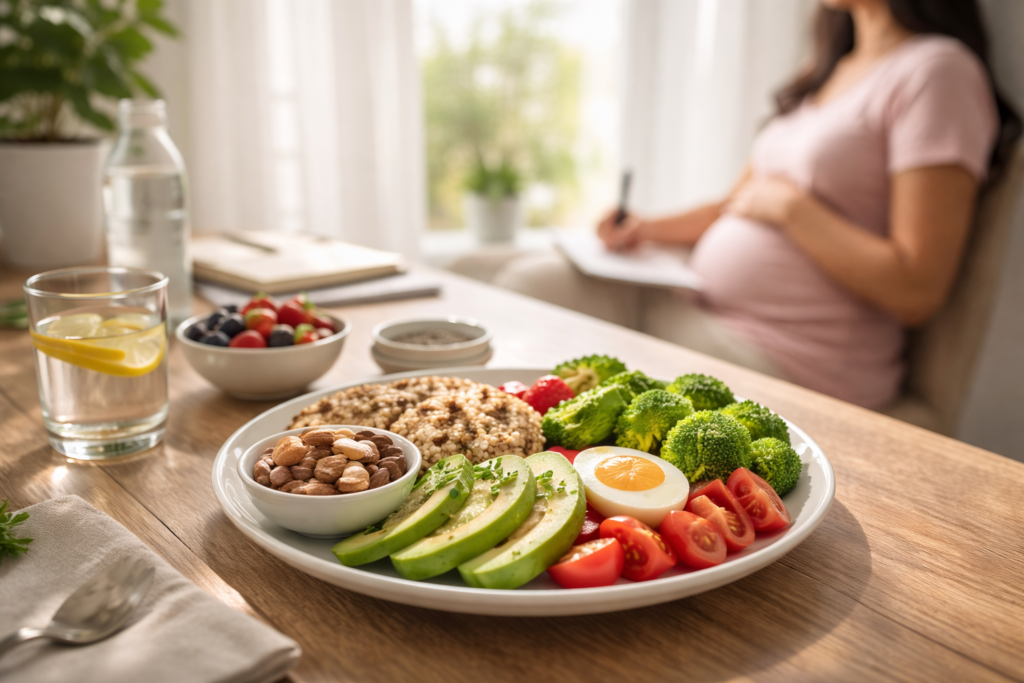
Diet plays a central role in PCOS fertility because insulin levels affect ovarian hormones. When a woman eats high sugar foods often, insulin rises repeatedly, which triggers androgen imbalance and blocks regular ovulation.
A fertility-supporting PCOS diet focuses on high protein breakfast, low glycemic foods, vegetables, fiber, and limiting sugary drinks and sweets. Regular meal timing is equally important because long gaps increase sugar cravings and insulin spikes. In practice, PCOS fertility diet plan to conceive helps regulate hormones and improves monthly ovulation chances without medication in many cases.
Exercise Plan That Helps Ovulation in PCOS
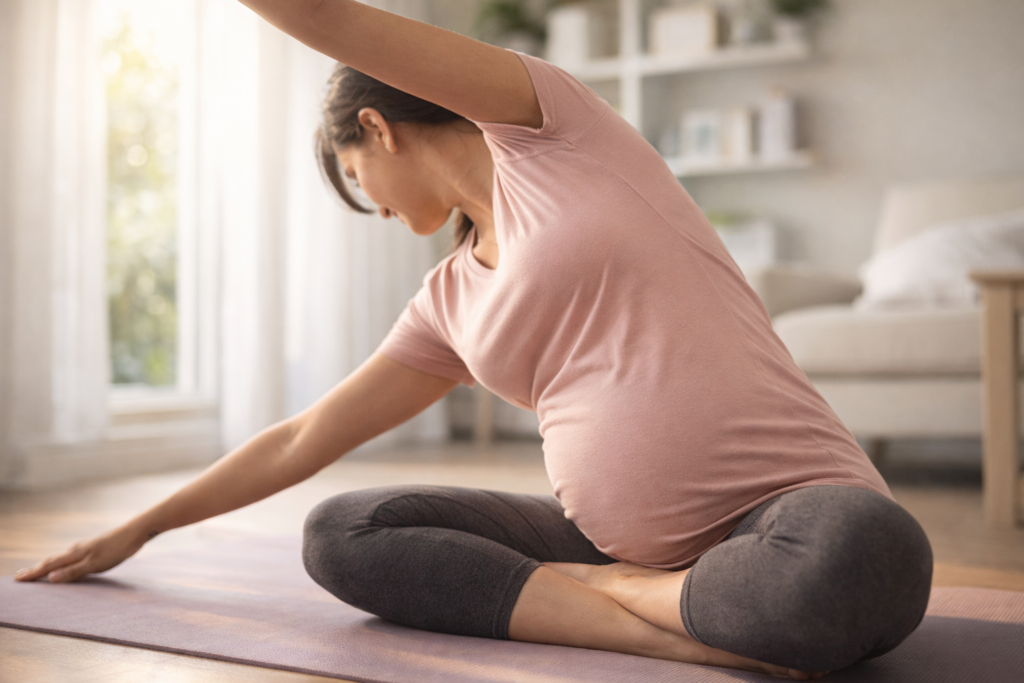
Exercise improves insulin sensitivity, reduces inflammation, and supports hormone balance. It also reduces stress hormones which indirectly impact ovulation. For PCOS, the best exercise is not extreme gym workouts but consistent moderate activity.
Walking 30–45 minutes daily, along with strength training 2–3 times weekly, gives excellent results. Yoga and breathing exercises also help sleep quality and stress regulation. Clinically, how to get pregnant with PCOS becomes easier when lifestyle improves and ovulation becomes regular due to consistent diet and exercise.
Ovulation Tracking and Timing for Natural Pregnancy
How to Confirm Ovulation in PCOS
Many PCOS women assume ovulation happens on day 14. That is true only in ideal 28-day cycles. PCOS cycles may have ovulation late or may skip ovulation altogether. That is why ovulation confirmation is important for natural conception.
The most accurate method is follicular monitoring through ultrasound, where doctors track follicle growth and confirm rupture. Ovulation predictor kits can sometimes give false or confusing results in PCOS due to hormone patterns. For couples who are seriously trying, how to track ovulation with PCOS using medical monitoring for 1–2 cycles gives clarity and improves success.
Timed Intercourse for PCOS: What Works Best
Once ovulation is confirmed, correct timing improves pregnancy chances. The best method is intercourse every alternate day during the fertile window. Avoid long gaps. Avoid “pressure-based” attempts because stress and performance anxiety affects both partners.
Many couples stop trying regularly due to fear or myths. But in clinical reality, PCOS pregnancy tips for fast conception include correct ovulation tracking, correct timing, and improving lifestyle rather than overthinking or relying only on home remedies.
When to Consult a Fertility Specialist for PCOS
When You Should Not Delay Medical Advice
Can PCOS women conceive naturally.Natural methods are powerful, but waiting too long is not advisable in certain situations. Women above 30 should seek evaluation early if periods are absent for months or ovulation is not happening. Egg quality decreases with age, so time becomes important even in PCOS.
Seek early fertility consultation if cycles are extremely irregular, there is recurrent miscarriage, thyroid issues, diabetes risk, or long-standing infertility. The goal is not to push IVF but to identify the cause early. Many women with PCOS treatment before pregnancy get best results when planning is started early instead of waiting for years.
Fertility Tests for PCOS Women Planning Natural Pregnancy
Basic tests guide the treatment plan and reduce unnecessary delays. Doctors commonly recommend thyroid tests, prolactin, sugar profile, AMH, pelvic ultrasound, and follicular monitoring. These help confirm whether ovulation is occurring and whether egg reserve is adequate.
Equally important is male partner evaluation. Semen analysis is essential because male factor infertility can coexist with PCOS. Couples often miss this step and assume PCOS is the only reason. A proper approach includes evaluating both partners because best treatment for PCOS to get pregnant is always based on couple assessment, not only the woman’s diagnosis.
When Natural Pregnancy Needs Medical Support
If Ovulation Does Not Happen Regularly
If ovulation does not occur even after lifestyle correction, natural pregnancy becomes difficult. In such cases, ovulation induction tablets help the ovaries release egg. This is not IVF. It is a basic fertility treatment done with scan monitoring.
Many women with PCOS conceive within a few cycles after ovulation becomes regular. The key is safe monitoring and correct timing. Clinically, best fertility treatment for PCOS women starts with lifestyle plus ovulation induction, not direct IVF.
When IUI or IVF May Be Required
Most PCOS women do not need IVF. IUI is recommended when ovulation happens but pregnancy does not occur due to timing issues or mild male factor. IVF is reserved for cases with tubal block, severe male factor, long duration infertility, or repeated failures with other methods.
The goal is always to choose the simplest effective treatment first. Women often ask is IVF necessary for PCOS pregnancy, but the answer is: only for selected cases, not for all.
Pregnancy Safety in PCOS: Planning for a Healthy Baby
Can PCOS women conceive naturally.PCOS mothers can have healthy pregnancies, but monitoring is important. PCOS increases risk of gestational diabetes and BP-related complications if weight and sugar levels are not controlled.
Pre-pregnancy weight management, good diet, early antenatal visits, and sugar monitoring reduce risks significantly. If pregnancy occurs, early pregnancy care should include thyroid and sugar monitoring, and healthy weight gain planning. Women searching PCOS and pregnancy complications should understand that risks are preventable with early care and consistent monitoring.
Conclusion
Can PCOS women conceive naturally? Yes — in most cases, natural pregnancy is possible with PCOS when ovulation becomes regular and lifestyle factors like weight, diet, exercise, sleep, and stress are well controlled. PCOS is not a permanent barrier to motherhood; it is a hormonal condition that can be managed with the right plan.
The most important step is not to wait too long without understanding your ovulation pattern. With early consultation, proper fertility evaluation, and scientific guidance, many women with PCOS conceive naturally or with simple ovulation support treatments. If you have irregular cycles, delayed periods, or you have been trying for pregnancy without success, consult a fertility specialist early to plan the safest and fastest path to conception.Contact now for treatment
Spoorthi Hospitals is a trusted multi-specialty healthcare network with 3 branches in Gangavathi, delivering quality care with compassion.