
Spoorthi Hospitals • Spoorthi Institutions • Spoorthi Hospitals • Spoorthi Institutions •
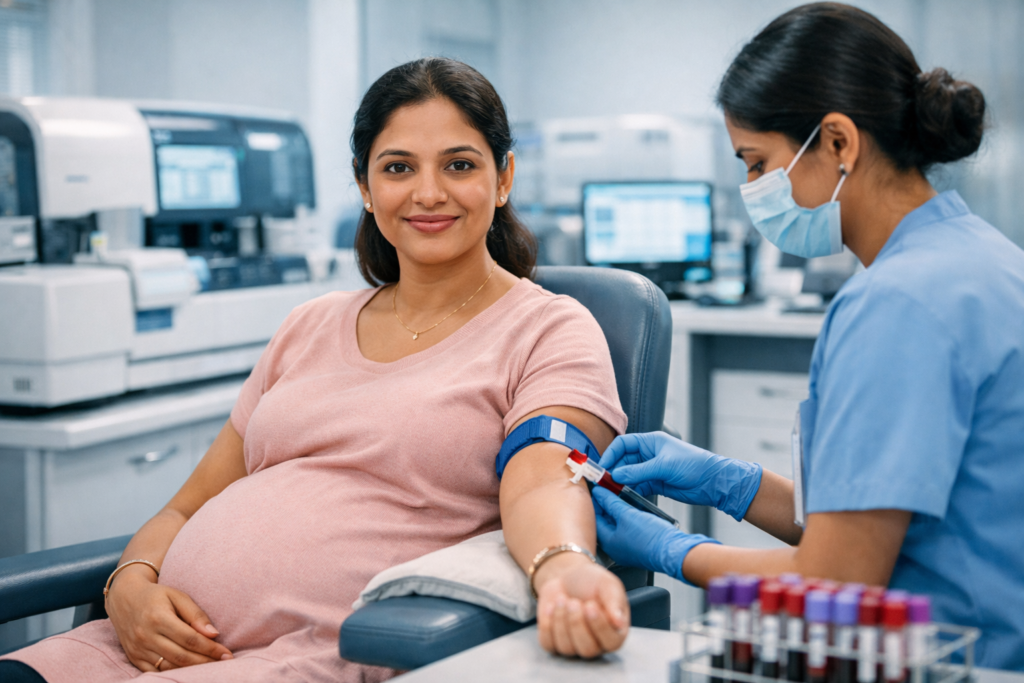
High-Tech Laboratory Services for Accurate Diagnostic Tests are a vital part of pregnancy care because even small health changes in the mother can affect the baby’s growth and development. In clinical practice, we often see that common pregnancy complications—such as anemia, thyroid imbalance, gestational diabetes, and infections—may begin silently without early symptoms. That is exactly why doctors recommend trimester-wise antenatal testing at the right time.
Modern laboratories support pregnancy care by improving accuracy, speeding up reporting, and following standardized quality practices. When advanced instruments and strict lab protocols are used, the reports become more dependable for medical decisions and follow-up planning. In short, High-Tech Laboratory Services for Accurate Diagnostic Tests lab testing during pregnancy is not only about reports—it is about protecting the mother and baby through early detection.

Pregnancy causes major hormonal and physical changes that can influence blood levels, thyroid function, sugar control, immunity, and kidney health. Many mothers feel completely normal even when some internal values are changing, which is why lab testing becomes essential for preventive monitoring. During antenatal care, routine pregnancy lab testing helps doctors detect early risks, correct deficiencies, and prevent complications before they affect fetal growth.
Pregnancy-related tests help doctors:
detect anemia and nutritional deficiencies early
identify diabetes risk (gestational diabetes)
monitor thyroid balance important for baby’s brain growth
screen infections that can affect the fetus
assess urine markers for early warning signs (UTI, protein in urine)
Regular monitoring allows early treatment and supports a safer pregnancy journey.
A high-tech laboratory is not just about machines—it is about systems that reduce manual error, improve repeat accuracy, and maintain consistent testing standards. In pregnancy care, the reliability of reports matters because treatment decisions often depend on small value differences. When a lab follows automation, barcoding, and strict quality checks, a high-tech pregnancy lab can deliver dependable results even when pregnancy values change quickly.
Key features of a high-tech pregnancy lab include:
automated analyzers for precision testing
quality control checks before processing patient samples
barcode sample identification to avoid mix-ups
fast turnaround time for reports
standardized protocols for consistent reliability
digital reporting for easier access
These benefits matter because pregnancy monitoring is time-sensitive and requires accuracy.
Pregnancy lab tests are usually planned trimester-wise because each stage of pregnancy brings different health monitoring needs. Your doctor may customize the test list based on symptoms, previous pregnancy history, or risk factors such as thyroid disorders, diabetes, or anemia. A structured schedule supports safer care and early detection, and trimester-wise pregnancy lab tests help track important changes across pregnancy.
With continuous follow-up testing, doctors can identify small changes before they become serious problems. This supports stable pregnancy progress from the first trimester to delivery and improves clinical confidence in treatment planning.

The first trimester is the foundation stage because early screening helps detect hidden conditions early and prevents complications later. From a clinical perspective, this is the best time to correct anemia, screen thyroid imbalance, rule out infections, and assess sugar risk. For safe early monitoring, First Trimester Pregnancy Tests are considered essential even if the mother feels perfectly fine.
Early testing helps doctors plan supplements and prevent later pregnancy complications, supporting better outcomes for both mother and baby.
CBC checks hemoglobin and evaluates overall blood health, including infection indicators and platelets. Low hemoglobin is one of the most common concerns in pregnancy and can affect oxygen supply to the baby if not corrected. Monitoring through Complete Blood Count (CBC) helps doctors start iron support early and track response over time.
What CBC includes:
hemoglobin
RBC / WBC count
platelet count
This single report gives a broad understanding of maternal blood health.
This confirms the mother’s blood group and checks Rh status. Rh-negative mothers may require a special injection later to prevent antibody-related complications in current or future pregnancies. In clinical antenatal planning, Blood Group & Rh Factor testing is important because it supports safe pregnancy and delivery preparedness.
Early Rh identification ensures timely preventive care when needed.
Pregnancy changes metabolism, and blood sugar levels can rise unexpectedly, especially in women with risk factors. Depending on your stage and history, doctors may recommend fasting blood sugar, random sugar, or HbA1c. Monitoring through Blood Sugar Tests helps detect early imbalance and prevents complications in later pregnancy.
High sugar levels can affect fetal growth and increase pregnancy risks, so early screening is protective.
Thyroid hormones play a key role in fetal brain development and healthy pregnancy growth. Even mild thyroid imbalance can impact pregnancy outcomes if untreated. Screening through Thyroid Function Test helps doctors correct thyroid levels early and maintain stable maternal health.
This test is often recommended in early pregnancy even when symptoms are absent.
Urine testing detects silent urinary infections, sugar in urine, and protein in urine. UTIs are common during pregnancy and may occur without symptoms but still lead to complications if untreated. Monitoring with Urine Routine and Microscopy also helps identify early warning signs for BP-related pregnancy issues later.
This test supports continuous safety monitoring across trimesters.
Doctors usually screen for infections that can affect pregnancy outcomes and newborn safety. These tests commonly include Hepatitis B, HIV, and syphilis, and sometimes Hepatitis C when advised. In antenatal care, Infection Screening Tests support early prevention and guide safe delivery planning.
Early detection improves protective measures for both mother and baby.
The second trimester focuses on identifying complications that develop as pregnancy progresses—especially gestational diabetes and anemia changes. Clinically, this stage requires regular monitoring to ensure stable fetal growth and maternal wellbeing. For continued care, Second Trimester Pregnancy Tests help doctors detect trends early and adjust treatment on time.
Regular High-Tech Laboratory Services for Accurate Diagnostic Tests during this stage plays an important role in preventing late pregnancy emergencies.
Gestational diabetes screening is usually done between 24 and 28 weeks using GCT or OGTT (as advised). If missed, gestational diabetes can lead to a large baby size, delivery complications, and newborn sugar issues. Early detection of Gestational Diabetes helps doctors manage it safely through diet, monitoring, and medication if required.
Timely control reduces risks during delivery and improves baby’s safety.
Hemoglobin can fall during pregnancy because blood volume increases naturally. Repeat CBC helps doctors monitor anemia changes and correct iron deficiency early. In practice, Repeat CBC becomes an important follow-up step to ensure iron therapy is working and fetal oxygen supply remains adequate.
Correct hemoglobin levels support maternal energy and fetal development.
Repeat urine testing helps monitor infection, sugar, and protein levels. Protein in urine can be an early sign for preeclampsia risk, especially when combined with BP changes. In clinical follow-up, Urine Test (Repeat) supports early intervention and prevents complications closer to delivery.
ThisHigh-Tech Laboratory Services for Accurate Diagnostic Tests test is particularly valuable even when symptoms are absent.
Third trimester testing supports delivery planning and ensures maternal safety near the final stage. Doctors focus on blood readiness, platelet levels, urine protein, and infection screening when symptoms occur. For safe delivery preparation, Third Trimester Pregnancy Tests help reduce unexpected risks during labor.
This stage is important because values can change quickly close to delivery. Use the High-Tech Laboratory Services for Accurate Diagnostic Tests
Third trimester CBC checks hemoglobin and platelet count. Platelets are essential for blood clotting, and low platelets can increase bleeding risk or affect anesthesia planning. Clinically, Platelets are carefully monitored near delivery to ensure safe labor and delivery management.
This test helps prevent complications and supports delivery readiness.
Urine testing monitors infection and protein levels near delivery. Rising protein levels can be a warning sign for pregnancy-induced hypertension complications and needs timely evaluation. This is why Urine Routine Test remains a standard part of third trimester monitoring.
It helps doctors manage risks early and prevent emergency complications.
If the mother develops fever, urinary burning, or signs of infection, doctors recommend tests like CRP, urine culture, or fever panels. Culture confirmation helps guide safe antibiotic selection and prevents preterm complications. In such cases, urine culture test becomes a key diagnostic tool for correct treatment planning.
Accurate infection diagnosis ensures safer maternal and newborn outcomes.
Pregnancy values can change quickly, and even small reporting variations can affect clinical decisions. High-tech labs improve reliability through automation, strict quality control, standardized sample handling, faster processing, and reduced manual calculation errors. In pregnancy monitoring, accurate pregnancy test results are essential for safe treatment planning across anemia correction, sugar control, thyroid management, and infection treatment.
This reliability improves doctor confidence and supports safer pregnancy care.

Pregnancy decisions are time-sensitive, especially when adjusting thyroid medicine, starting iron treatment, managing sugar levels, or treating infections. Faster reports reduce delay in treatment and help the doctor act quickly. From a patient point of view, Fast reporting also reduces anxiety because waiting for pregnancy reports can be stressful.
Quick turn around supports continuous antenatal monitoring and safer outcomes.
Simple preparation improves the accuracy of lab results. Pregnant women should confirm fasting requirements, avoid heavy exercise before testing, drink water unless restricted, inform the lab about pregnancy stage, and carry previous reports for comparison. Following these steps helps obtain accurate results and allows the doctor to interpret reports correctly for safe follow-up.
Preparation mistakes—especially for sugar tests—can change values and affect treatment decisions.
High-Tech Laboratory Services for Accurate Diagnostic Tests are essential for safe pregnancy care because they support early detection, accurate monitoring, and timely treatment. Pregnancy lab tests—including CBC, thyroid screening, sugar testing, urine analysis, and infection screening—help prevent complications and protect fetal growth.
A quality diagnostic lab with advanced technology, strict quality control, and faster reporting ensures pregnancy decisions are made using reliable medical evidence. Choosing High-Tech Laboratory Services for Accurate Diagnostic Tests ultimately supports a healthier pregnancy journey and safer delivery for both mother and baby.Contact now for High-Tech Laboratory Services for Accurate Diagnostic Tests in gangavathi
Fill details & book via WhatsApp.