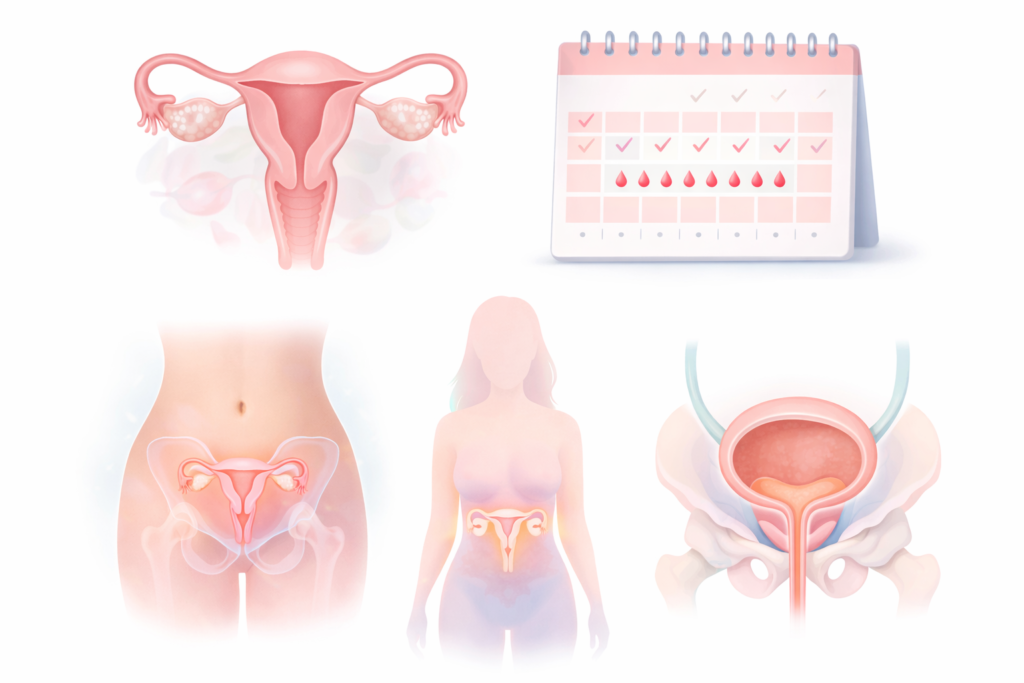
Common gynecological problems women should not ignoreΒ often begin with mild or easily overlooked symptoms. However, these early signs are important messages from the body that should never be dismissed. As a doctor, I frequently see women delay medical care because they believe pain, irregular periods, or discomfort are normal parts of womanhood.
In reality, womenβs gynecological health problems are usually easier to diagnose and treat when identified early. Timely intervention prevents complications, protects fertility, and maintains hormonal balance. Therefore, understanding these warning signs and acting on time is essential for female reproductive health and long-term well-being.
Β
Gynecological conditions can affect women at any stage of lifeβfrom adolescence to menopause and beyond. These issues may involve menstrual cycles, hormones, infections, or pelvic organs.
Some of the common gynecological problems women should not ignore include irregular menstrual cycles, heavy menstrual bleeding, pelvic pain in women, abnormal vaginal discharge, urinary problems in women, pain during intercourse, and post-menopausal bleeding. Ignoring gynecological symptoms in women can lead to infertility, chronic pain, anemia, or serious reproductive disorders. Therefore, early medical evaluation is crucial.
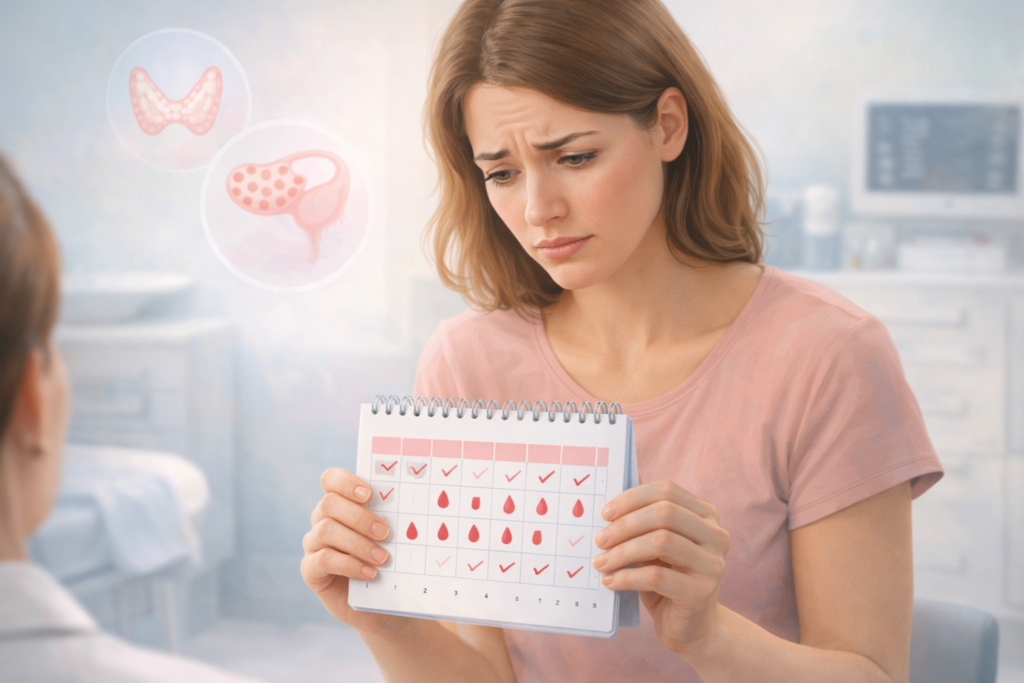
A regular menstrual cycle reflects good hormonal balance. While stress or lifestyle changes may cause temporary variation, frequent irregular periods are among the common gynecological problems women should not ignore.
Missed periods, delayed periods, or unpredictable cycles often indicate hormonal imbalance in women. Conditions such as PCOS symptoms, thyroid disorders in women, insulin resistance, or prolactin imbalance commonly affect cycle regularity. Early diagnosis protects fertility and prevents long-term hormonal complications.
Many women assume heavy periods are normal. However, heavy menstrual bleeding is one of the most important gynecological problems women should not ignore.
Bleeding lasting more than seven days or involving large clots may indicate uterine fibroids, hormonal imbalance, adenomyosis, or other gynecological disorders. Excessive blood loss can lead to anemia in women, fatigue, weakness, and reduced daily functioning. Timely treatment significantly improves quality of life.
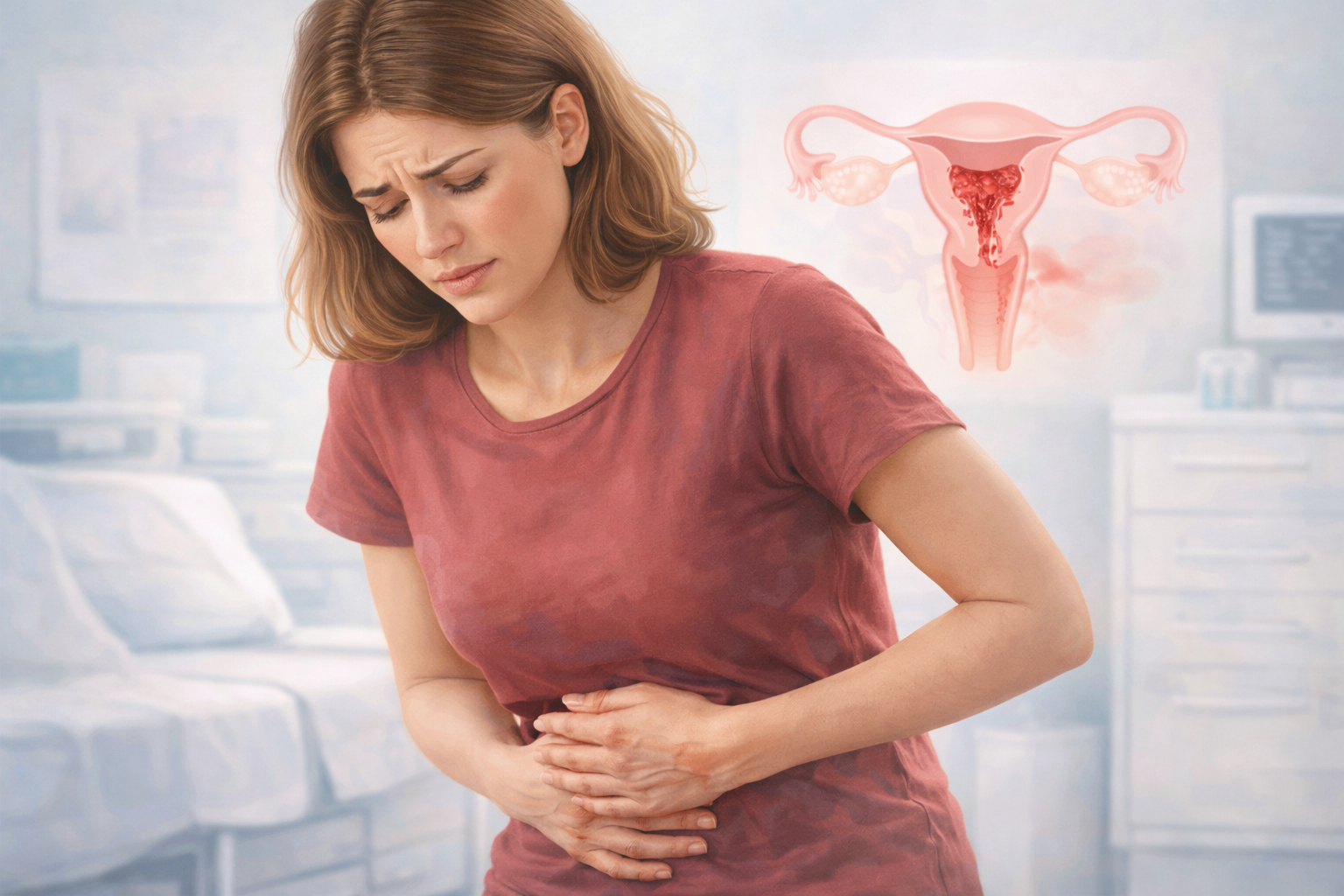
Mild cramps are common, but severe pain is not. Painful periods that disrupt daily life are among the common gynecological problems women should not ignore.
Pain requiring medication every cycle or worsening over time may indicate endometriosis symptoms, uterine abnormalities, or chronic pelvic pain. Ignoring such pain delays diagnosis and can worsen disease progression. Therefore, medical evaluation is essential.
Vaginal discharge is normal, but abnormal vaginal discharge should never be ignored.
Symptoms such as yellow discharge, green discharge, foul-smelling discharge, vaginal itching, or burning may indicate vaginal infections or sexually transmitted infections. Untreated infections can spread to the uterus and fallopian tubes, increasing the risk of pelvic inflammatory disease and infertility. Early treatment prevents serious complications.
Persistent pelvic pain in women should never be dismissed. It is one of the most important common gynecological problems women should not ignore.
Pain during intercourse, ongoing lower abdominal pain, or discomfort may indicate ovarian cysts, pelvic inflammatory disease, or uterine conditions. Therefore, ignoring pelvic pain can delay diagnosis and worsen outcomes.
Persistent pelvic pain in women is one of the most serious gynecological problems women should not ignore.
Pain during intercourse, continuous lower abdominal pain, or pressure sensations may indicate ovarian cysts, pelvic inflammatory disease, fibroids, or endometriosis. Ignoring pelvic pain delays diagnosis and worsens outcomes. Early medical care improves recovery and long-term health.
Any vulvar lump, genital sores, skin thickening, discoloration, or persistent itching should be evaluated promptly.
Although many lumps are benign, some may be early signs of gynecological cancers. Early diagnosis ensures timely treatment and peace of mind. Regular self-examination and professional evaluation are essential parts of womenβs reproductive health care.
Post-menopausal bleeding is never normal and is one of the most critical common gynecological problems women should not ignore.
Even a single episode may indicate uterine abnormalities, polyps, or endometrial conditions. Early diagnosis greatly improves treatment success. Therefore, bleeding after menopause should never be delayed.
Early diagnosis allows simpler and safer treatment while reducing the risk of complications from gynecological problems in women.
Routine screenings and timely consultations help detect womenβs reproductive health issues before they become severe. Preventive care is the foundation of long-term gynecological wellness.
Regular gynecological checkups help identify:
Hormonal imbalance in women
Gynecological infections
Uterine and ovarian disorders
Early signs of cancer
Early detection ensures faster recovery, better outcomes, and improved quality of life. Preventive checkups help manage common gynecological problems women should not ignore at an early stage.
Common gynecological problems women should not ignore are early warning signs from the body. Pelvic pain, abnormal bleeding, vaginal discharge changes, urinary symptoms, and post-menopausal bleeding should never be considered normal.
Early medical care protects fertility, improves quality of life, and prevents serious complications. As an experienced doctor, my advice is clear: listen to your body. Addressing common gynecological problems women should not ignore early is not optionalβit is essential self-care.contact now for treatment
Fill details & book via WhatsApp.