

Foods to Eat During Pregnancy for Healthy Baby (Doctor-Recommended Complete Diet Guide) Foods to eat during pregnancy for healthy baby is one of the most searched and important questions for every mother-to-be. As doctors, we see that good nutrition during pregnancy improves baby growth, brain development, immunity, birth weight, and also prevents problems like anemia, weakness, constipation, low baby weight, and pregnancy complications. This blog explains the best pregnancy nutrition with a trimester-wise approach, and covers the best foods to eat during pregnancy, foods to avoid, and a simple pregnancy diet chart that is easy to follow. Why a Healthy Pregnancy Diet is Important? A baby’s growth depends on the mother’s daily diet. A balanced pregnancy diet chart supports: Strong placenta development Healthy baby weight gain Better brain and eye development Reduced risk of anemia and weakness Healthy digestion and less constipation A doctor’s advice: focus on foods to eat during pregnancy for healthy baby that are rich in protein, iron, calcium, folic acid, omega-3, and fiber. 1) Protein-Rich Foods for Baby Growth Protein is essential for baby body tissues, muscles, and placenta growth. If protein intake is low, baby growth may slow down. Best protein foods during pregnancy: Eggs (fully cooked) Chicken, fish (well cooked) Paneer and tofu Moong dal, rajma, chana Nuts and seeds Doctor tip: Add protein in every meal. This supports foods to eat during pregnancy for healthy baby and helps maintain steady weight gain. 2) Iron-Rich Foods During Pregnancy to Prevent Anemia Anemia is one of the most common pregnancy issues in India. Low iron can lead to weakness, dizziness, breathing difficulty, and low baby birth weight. Best iron rich foods during pregnancy: Spinach, moringa (drumstick leaves) Beetroot Dates & raisins Lentils and dals Jaggery (moderate) Doctor note: Add Vitamin C (lemon/orange) with iron foods to improve absorption. 3) Calcium Foods for Baby Bones and Mother’s Strength Baby needs calcium to build bones and teeth. If the mother does not eat enough calcium, the baby takes it from the mother’s bones. Best calcium foods in pregnancy: Milk, curd, buttermilk Paneer Ragi Sesame seeds Almonds Including calcium-rich foods is essential in foods to eat during pregnancy for healthy baby. 4) Folic Acid Foods for Brain and Spine Development Folic acid is critical, especially in early pregnancy. It reduces the risk of brain and spinal cord defects. Best folic acid foods in pregnancy: Green leafy vegetables Broccoli Orange Avocado Lentils Doctor tip: Along with diet, folic acid supplements are often recommended in early pregnancy. 5) Best Fruits During Pregnancy for Baby Development Fruits provide vitamins, antioxidants, hydration and improve digestion. Best fruits during pregnancy: Banana (energy + potassium) Apple (fiber) Orange (Vitamin C) Pomegranate (iron support) Guava (vitamin C) ❌ Avoid raw papaya and limit high sugar fruits if you have gestational diabetes. Fruits are an important part of foods to eat during pregnancy for healthy baby. 6) Best Vegetables to Eat During Pregnancy Vegetables improve immunity, reduce constipation, and provide essential vitamins. Best vegetables during pregnancy: Carrot Pumpkin Bottle gourd (lauki) Beans Sweet potato (moderation) A balanced vegetable intake improves pregnancy nutrition for healthy baby. 7) Omega-3 and Healthy Fats for Baby Brain Growth Omega-3 plays a big role in baby brain and eye development. Best sources: Walnuts Flax seeds Chia seeds Fish like salmon (if safe & doctor-approved) Healthy fats improve overall pregnancy nutrition and support foods to eat during pregnancy for healthy baby. 8) Whole Grains for Healthy Weight Gain and Energy Whole grains maintain energy, reduce sugar spikes, and support digestion. Best whole grains: Whole wheat roti Brown rice Dalia Oats Millets (ragi, jowar) Whole grains are ideal foods to eat during pregnancy daily. Trimester-Wise Pregnancy Diet Plan (Doctor Suggested) First Trimester Diet (1–12 Weeks) Common problems: nausea, vomiting, acidity. Best foods: Coconut water Lemon water Small frequent meals Curd rice Banana / apple Second Trimester Diet (13–27 Weeks) Baby growth increases rapidly. Focus on: Protein daily Iron daily Calcium twice/day Third Trimester Diet (28 Weeks to Delivery) Baby weight increases maximum. Focus on: Protein + healthy fats High fiber foods Hydration Foods to Avoid During Pregnancy (Important) Avoid foods that can cause infection or harm the baby: ❌ Raw eggs and undercooked meat❌ Unpasteurized dairy❌ Street food (infection risk)❌ Excess tea/coffee❌ Alcohol & smoking❌ Raw papaya Sample Indian Pregnancy Diet Chart (Simple) Morning: warm water + almonds Breakfast: idli/dosa/upma/oats Mid-morning: fruit (banana/apple) Lunch: roti/rice + dal + veg + curdEvening: buttermilk/sprouts/nutsDinner: roti + paneer/egg curry + veg Bedtime: milk (if tolerated) Conclusion Choosing the right foods to eat during pregnancy for healthy baby can make a major difference in your baby’s growth, brain development, and birth weight. A healthy pregnancy diet should include proteins, iron-rich foods, calcium, folic acid sources, fruits, vegetables, whole grains, and healthy fats. Every pregnancy is different—so always follow your doctor’s advice, especially if you have conditions like thyroid, gestational diabetes, anemia, PCOS, or high BP. If you want a complete customized pregnancy diet chart, consult your gynecologist and nutrition expert for the best results.Contact now

Can PCOS Women Conceive Naturally? How to Get Pregnant With PCOS (Doctor Guide)
Can PCOS Women Conceive Naturally? Doctor Guide for Natural Pregnancy With PCOS Can PCOS women conceive naturally is a question many women ask immediately after getting diagnosed with PCOS. The good news is that most women with PCOS can conceive naturally, especially when ovulation becomes regular and lifestyle factors are controlled early. PCOS delays pregnancy mainly because it affects hormone balance and ovulation timing, not because it permanently stops fertility. This doctor-written guide explains the actual reasons pregnancy gets delayed in PCOS, what improves natural fertility, how to track ovulation correctly, and when medical treatment becomes necessary. Understanding PCOS and Why Pregnancy Gets Delayed Can PCOS women conceive naturally.PCOS (Polycystic Ovary Syndrome) is a hormonal condition where ovulation becomes irregular or delayed. Many women with PCOS have a good egg reserve, but the eggs may not mature and release regularly, which reduces the chance of pregnancy each month. The most important point is that PCOS is treatable, and fertility improves when hormonal balance improves. PCOS is commonly associated with irregular periods, acne, excess hair growth, weight gain and insulin resistance. In fertility practice, we often see that the biggest issue is not the ovaries having follicles, but the problem of PCOS ovulation problem and pregnancy which makes fertile days unpredictable and delays conception. Can PCOS Women Get Pregnant Without Treatment? Can PCOS women conceive naturally.Yes, many women conceive naturally without heavy fertility treatment, especially in mild PCOS. If the cycle becomes somewhat regular and ovulation occurs once every 35–45 days, natural pregnancy is possible. Couples often panic when they hear “PCOS,” but PCOS itself is not equal to infertility. In many cases, natural pregnancy happens once couples correct timing and improve lifestyle. One important step is confirming that periods are not being delayed due to thyroid imbalance or prolactin elevation. Clinically, PCOS irregular periods how to conceive becomes a key focus area because cycle irregularity affects ovulation timing and reduces monthly pregnancy probability. Why Ovulation Matters More Than Cysts in PCOS Can PCOS women conceive naturally.Many first-time patients misunderstand PCOS as “cysts that block pregnancy.” The multiple small follicles seen on ultrasound are not harmful cysts. They are small immature follicles that didn’t develop fully because hormonal signals were not stable. Ovulation is essential because pregnancy happens only when egg meets sperm. In PCOS, insulin and androgen hormones may prevent a dominant follicle from maturing and releasing egg at the right time. That is why the real target in PCOS fertility care is how to improve ovulation in PCOS naturally so that fertile days become predictable and chances of conception increase. Natural Ways to Improve Fertility in PCOS Weight Loss and Natural Conception in PCOS Even small weight reduction improves fertility dramatically. In many women, losing 5–10% body weight improves insulin sensitivity and helps restart ovulation. This is one of the strongest natural methods for improving conception chances in PCOS. However, weight loss should be gradual and sustainable. Crash diets or extreme fasting can worsen hormonal imbalance. A balanced plan with portion control and consistent activity works best. Most importantly, PCOS weight loss and pregnancy are strongly connected because weight control improves egg maturation and increases the chance of natural conception. Best Diet Plan for PCOS to Conceive Naturally Diet plays a central role in PCOS fertility because insulin levels affect ovarian hormones. When a woman eats high sugar foods often, insulin rises repeatedly, which triggers androgen imbalance and blocks regular ovulation. A fertility-supporting PCOS diet focuses on high protein breakfast, low glycemic foods, vegetables, fiber, and limiting sugary drinks and sweets. Regular meal timing is equally important because long gaps increase sugar cravings and insulin spikes. In practice, PCOS fertility diet plan to conceive helps regulate hormones and improves monthly ovulation chances without medication in many cases. Exercise Plan That Helps Ovulation in PCOS Exercise improves insulin sensitivity, reduces inflammation, and supports hormone balance. It also reduces stress hormones which indirectly impact ovulation. For PCOS, the best exercise is not extreme gym workouts but consistent moderate activity. Walking 30–45 minutes daily, along with strength training 2–3 times weekly, gives excellent results. Yoga and breathing exercises also help sleep quality and stress regulation. Clinically, how to get pregnant with PCOS becomes easier when lifestyle improves and ovulation becomes regular due to consistent diet and exercise. Ovulation Tracking and Timing for Natural Pregnancy How to Confirm Ovulation in PCOS Many PCOS women assume ovulation happens on day 14. That is true only in ideal 28-day cycles. PCOS cycles may have ovulation late or may skip ovulation altogether. That is why ovulation confirmation is important for natural conception. The most accurate method is follicular monitoring through ultrasound, where doctors track follicle growth and confirm rupture. Ovulation predictor kits can sometimes give false or confusing results in PCOS due to hormone patterns. For couples who are seriously trying, how to track ovulation with PCOS using medical monitoring for 1–2 cycles gives clarity and improves success. Timed Intercourse for PCOS: What Works Best Once ovulation is confirmed, correct timing improves pregnancy chances. The best method is intercourse every alternate day during the fertile window. Avoid long gaps. Avoid “pressure-based” attempts because stress and performance anxiety affects both partners. Many couples stop trying regularly due to fear or myths. But in clinical reality, PCOS pregnancy tips for fast conception include correct ovulation tracking, correct timing, and improving lifestyle rather than overthinking or relying only on home remedies. When to Consult a Fertility Specialist for PCOS When You Should Not Delay Medical Advice Can PCOS women conceive naturally.Natural methods are powerful, but waiting too long is not advisable in certain situations. Women above 30 should seek evaluation early if periods are absent for months or ovulation is not happening. Egg quality decreases with age, so time becomes important even in PCOS. Seek early fertility consultation if cycles are extremely irregular, there is recurrent miscarriage, thyroid issues, diabetes risk, or long-standing infertility. The goal is not to push IVF but to identify the cause early. Many

Fertility Tests for Couples Step by Step: Complete Guide for Husband & Wife
Fertility Tests for Couples Step by Step: Tests for Husband & Wife fertility tests for couples step by step.Trying for pregnancy and not seeing a positive result can feel emotionally exhausting for many couples. Sometimes couples blame themselves or feel anxious, but medically speaking infertility is not uncommon, and most fertility issues can be identified early. The best approach is to evaluate both partners together, because fertility depends on the health of the male and female reproductive systems. This article explains Fertility Tests for Couples Step by Step in a clear and patient-friendly manner, just like a doctor would explain during consultation. You will understand which tests are done for the female partner and male partner, why each test matters, when it should be done, and what the next steps are after reports come. Why Fertility Testing is Important for Couples Many couples assume fertility problems are only due to the woman. In reality: Male factor infertility contributes to ~40–50% cases Female factor infertility contributes to ~40–50% cases In some couples, both partners have contributing factors That’s why doctors always recommend fertility evaluation as a couple, not individually. The goal of fertility testing is to check 3 main areas: Ovulation (Is the egg being released?) Sperm health (Count, movement, shape) Fallopian tube & uterus (Are tubes open? Is uterus healthy for implantation?) Fertility Tests for Couples Step by Step (Doctor Guide) Step 1: Doctor Consultation + Fertility History (Both Partners) Before lab tests, the doctor takes detailed history such as: For Female Partner Period cycle regularity Thyroid, PCOS symptoms Previous pregnancy / miscarriage Weight changes, acne, hair growth Pelvic pain (endometriosis suspicion) For Male Partner Smoking/alcohol Past infections (mumps, STDs) Heat exposure, tight underwear, laptop use History of hernia surgery or testicular surgery Step 2: Basic Blood Tests (Female Fertility Testing) These tests evaluate hormones and general health. 1) AMH Test (Anti-Mullerian Hormone) Shows ovarian reserve (egg quantity) Done any day of cycle Why important: Helps plan fertility treatment (natural/IUI/IVF) 2) FSH & LH (Day 2 or Day 3 Test) Done on day 2/3 of periods Checks egg stimulation ability 3) Prolactin Test High prolactin can block ovulation 4) Thyroid Test (TSH) Thyroid imbalance is a very common cause of infertility 5) Blood Sugar / HbA1c Checks for insulin resistance & diabetes (important in PCOS) Step 3: Semen Analysis Test (Male Fertility Test) This is the first and most important fertility test for men. Semen Analysis Checks: Sperm count Sperm motility (movement) Sperm morphology (shape) Semen volume and infection This is the simplest and most informative test in the full infertility workup. Preparation: 2–5 days abstinence Avoid fever/viral illness for 2–3 months before (it can reduce sperm quality) If semen analysis is abnormal, doctor may repeat after 2–3 weeks for confirmation. . Step 4: Ultrasound Scan (Follicular Study) – Female Transvaginal Ultrasound Used to check: Uterus shape Endometrial lining thickness Ovaries (PCOS / cysts) Fibroids or polyps Follicular Monitoring This is a major part of fertility tests for couples step by step. It checks: Egg growth Ovulation timing Best fertile window Why it matters:Some women have periods but do not ovulate properly. Step 5: Ovulation Tests Day 21 Progesterone Test Confirms ovulation Best for regular 28–30 day cycles(Doctor may adjust day based on cycle length) LH Kit (Home Test) Detects LH surge Helps in timed intercourse or IUI planning Step 5: Ovulation Tests Day 21 Progesterone Test Confirms ovulation Best for regular 28–30 day cycles(Doctor may adjust day based on cycle length) LH Kit (Home Test) Detects LH surge Helps in timed intercourse or IUI planning Step 6: Tubal Patency Test (Fallopian Tube Test) Even if eggs and sperm are normal, pregnancy cannot happen if tubes are blocked. HSG Test (Hysterosalpingography) X-ray dye test done after periods (before ovulation) Shows whether tubes are open Recommended especially when: Previous infection Previous pelvic surgery History of tuberculosis Endometriosis suspicion Alternative Tests: Sonosalpingography (SSG) Laparoscopy (if needed) Step 7: Uterus Evaluation Tests (Implantation Check) If tube test is normal, next check is uterus — whether embryo can implant. Tests Used: .TVS ultrasound.Saline infusion .sonography (SIS)Hysteroscopy (gold standard) These tests detect: Polyps Fibroids Septum in uterus Scar tissue Adhesions Step 8: Advanced Fertility Tests (Only If Needed) Not every couple needs these. Doctors recommend them in specific cases like repeated miscarriage, failed IVF, or unexplained infertility. Advanced Tests Include: Testosterone, DHEAS (female androgen hormones) TORCH / Infection screening Genetic tests (karyotyping) Thrombophilia profile (recurrent miscarriage) Sperm DNA fragmentation test Testicular ultrasound (if severe male infertility) Fertility Test Timeline: How Long Does It Take? Most couples can complete fertility evaluation within: 2–4 weeks Semen analysis: 1 day Female hormone tests: 1 cycle Follicular monitoring: 10–15 days HSG test: after periods When Should Couples Do Fertility Testing? Doctors recommend starting fertility tests for couples step by step when: Age <35 and trying for 1 year Age ≥35 and trying for 6 months Periods are irregular / no ovulation History of miscarriage Male partner has known health issues PCOS, thyroid problems, endometriosis suspected What Happens After Fertility Tests? Based on results, the doctor may suggest: If Everything Normal: Timed intercourse Lifestyle changes Ovulation tracking If Mild Issues: Ovulation induction tablets IUI (Intrauterine insemination) If Severe Issues: IVF / ICSI The best part is: doing tests early avoids delay and improves pregnancy chance. Conclusion Infertility is common, and couples should never feel embarrassed or discouraged about seeking fertility support. The most important step is early diagnosis with the correct testing sequence. When couples follow Fertility Tests for Couples Step by Step without delay, it reduces emotional stress, avoids unnecessary treatments, and improves pregnancy success. With proper guidance, many couples can achieve pregnancy naturally or with fertility treatments like IUI or IVF. The right tests at the right time make the journey easier, clearer, and more hopeful.for fertlity treatments contact now

critical care unit icu micu nicu emergency care in hospitals
Critical Care Unit – ICU, MICU & NICU Emergency Support What is a Critical Care Unit in a Hospital? critical care unit icu micu nicu emergency care in hospitals is one of the most searched phrases during medical emergencies because families urgently want the safest care for patients and newborns. Critical care is different from routine hospital treatment—it is designed for patients who need continuous monitoring, life support readiness, and rapid emergency response. At Spoorthi Hospitals, the Critical Care Unit is built to manage serious health situations with trained doctors, advanced monitoring systems, ventilator support (when required), and round-the-clock nursing care. This unit supports emergency stabilization, close observation, and intensive medical management with 24/7 critical care support. What Does a Critical Care Unit Do? critical care unit icu micu nicu emergency care in hospitals provides advanced treatment for patients who are unstable or at high risk of worsening. In this unit, doctors continuously monitor vital signs such as pulse, BP, oxygen saturation, breathing rate, ECG rhythm, and organ functions to prevent sudden complications. Patients are admitted to critical care when the condition requires rapid action and close supervision. intensive care unit monitoring ensures that complications are detected early and treated immediately—often before they become life-threatening. This type of care is supported through continuous vital monitoring in ICU. What is ICU and When is ICU Admission Needed? critical care unit icu micu nicu emergency care in hospitals.ICU stands for Intensive Care Unit. It is required when a patient needs constant observation and advanced medical support. ICU care is commonly needed in emergency and post-surgery conditions where patients require close monitoring and quick intervention. A patient may need ICU when there is: breathing difficulty or low oxygen levels severe infections (sepsis) major trauma or head injury heart attack or unstable blood pressure post-operative complications In such situations, icu ventilator support treatment may be required for safe breathing management until recovery improves. ICU care also includes oxygen therapy and ventilator support for critical respiratory cases. What is MICU and Which Patients Need MICU Care? critical care unit icu micu nicu emergency care in hospitals.MICU stands for Medical Intensive Care Unit. It focuses on critical medical illnesses such as severe infections, respiratory diseases, uncontrolled diabetes complications, kidney failure, or serious heart conditions requiring intensive monitoring and aggressive medical support. MICU is designed for patients who need advanced medical treatment but not major surgical intervention at that time. medical intensive care unit (micu) helps stabilize the patient, prevent complications, and provide supportive care like oxygen therapy, IV medications, and continuous monitoring. MICU treatment often includes critical medical management for complex internal conditions. What is NICU and When Does a Baby Need NICU? critical care unit icu micu nicu emergency care in hospitals.NICU stands for Neonatal Intensive Care Unit. It is a specialized unit for newborn babies who need extra support immediately after birth or during the first days of life, especially when the baby requires monitored care. A baby may require NICU care in cases like: low birth weight premature birth breathing difficulty infection risk jaundice requiring close monitoring low sugar levels (hypoglycemia) NICU provides temperature control, infection prevention, feeding support, breathing support (if needed), and monitoring for safe development. nicu care for premature baby improves survival and supports healthier growth with newborn intensive care monitoring. What Facilities Should a Good ICU/MICU/NICU Have? A well-equipped critical care setup should support both emergency response and continuous monitoring. Facilities directly impact patient safety because critical conditions can change quickly, and delayed response can become dangerous. A complete unit generally includes: multi-parameter monitors (BP, pulse, SpO2, ECG) oxygen systems and ventilator support infusion pumps for controlled medication emergency crash cart support trained ICU staff and 24/7 nursing infection control protocols These essentials ensure emergency critical care services are safe and effective. Good critical care units should also have advanced ICU monitoring equipment for accurate clinical decisions. Why Continuous Monitoring is Important in Critical Care critical care unit icu micu nicu emergency care in hospitals . Critical patients often show early warning signs before their condition worsens—such as oxygen drop, BP fall, fast heart rhythm, or reduced responsiveness. Continuous monitoring allows doctors to detect these signs early and act quickly before complications become severe. This is why ICU and NICU settings are different from general wards. critical patient vital monitoring helps in quicker response and prevents complications like cardiac arrest, respiratory failure, and infection worsening. Continuous monitoring improves outcomes in life-threatening emergency care situations. How Spoorthi Hospitals Ensures Safety in Critical Care critical care unit icu micu nicu emergency care in hospitals—it is about trained medical response, correct decision-making, and timely intervention. Spoorthi Hospitals follows systematic protocols so patients receive intensive care in a safe and structured manner. Safety focus includes: strict hygiene and infection control emergency-ready support systems specialist involvement when required timely reporting and documentation round-the-clock nursing care These measures support 24/7 emergency care hospital level readiness for patients who need advanced observation and immediate clinical response. The hospital follows ICU safety protocols to reduce complications. When Should Families Seek Emergency Help Immediately? Never delay when symptoms suggest a life-threatening condition. Emergency care should be taken immediately when a person has: breathing difficulty chest pain or fainting severe fever with confusion seizures or sudden weakness heavy bleeding newborn baby not feeding or weak cry Early hospital admission improves outcomes. emergency hospital admission for critical condition is the right step when danger signs are present, especially when the patient needs urgent critical care treatment. Conclusion: Critical Care Saves Lives When Time Matters critical care unit icu micu nicu emergency care in hospitals exist for one purpose—to protect life during serious medical situations. ICU, MICU, and NICU care involve continuous monitoring, emergency response, expert supervision, and advanced support systems. Spoorthi Hospitals provides structured and safety-focused critical care services for adults and newborns, ensuring quick stabilization and careful recovery planning with advanced intensive care support. When the condition is serious, time matters. Getting the right care at the right
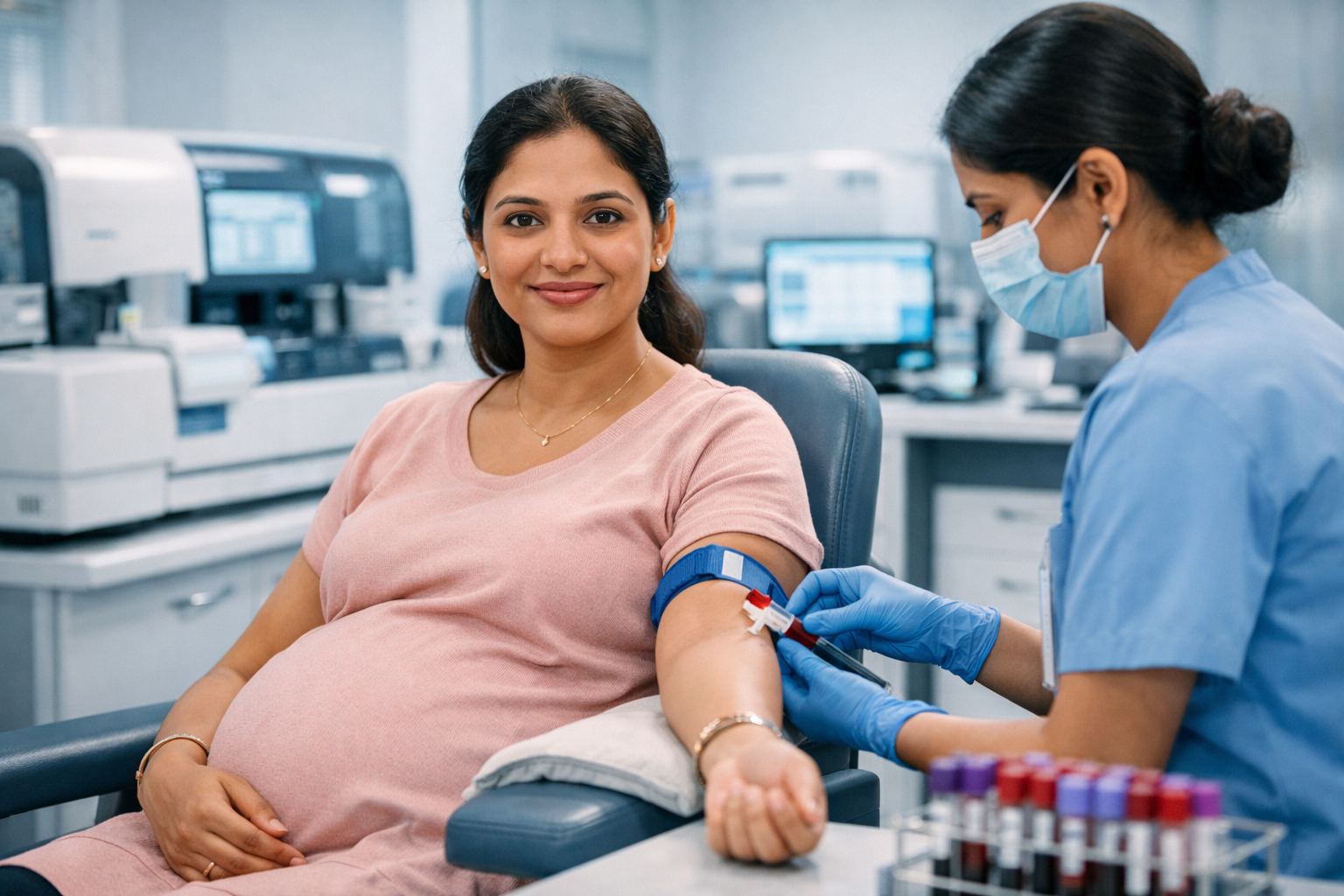
High-Tech Laboratory Services for Accurate Diagnostic Tests in Pregnancy
High-Tech Laboratory Services for Accurate Diagnostic Tests in Pregnancy High-Tech Laboratory Services for Accurate Diagnostic Tests are a vital part of pregnancy care because even small health changes in the mother can affect the baby’s growth and development. In clinical practice, we often see that common pregnancy complications—such as anemia, thyroid imbalance, gestational diabetes, and infections—may begin silently without early symptoms. That is exactly why doctors recommend trimester-wise antenatal testing at the right time. Modern laboratories support pregnancy care by improving accuracy, speeding up reporting, and following standardized quality practices. When advanced instruments and strict lab protocols are used, the reports become more dependable for medical decisions and follow-up planning. In short, High-Tech Laboratory Services for Accurate Diagnostic Tests lab testing during pregnancy is not only about reports—it is about protecting the mother and baby through early detection. Why Pregnancy Lab Tests Are Important for Mother and Baby Pregnancy causes major hormonal and physical changes that can influence blood levels, thyroid function, sugar control, immunity, and kidney health. Many mothers feel completely normal even when some internal values are changing, which is why lab testing becomes essential for preventive monitoring. During antenatal care, routine pregnancy lab testing helps doctors detect early risks, correct deficiencies, and prevent complications before they affect fetal growth. Pregnancy-related tests help doctors: detect anemia and nutritional deficiencies early identify diabetes risk (gestational diabetes) monitor thyroid balance important for baby’s brain growth screen infections that can affect the fetus assess urine markers for early warning signs (UTI, protein in urine) Regular monitoring allows early treatment and supports a safer pregnancy journey. What Makes a Lab “High-Tech” for Pregnancy Testing? A high-tech laboratory is not just about machines—it is about systems that reduce manual error, improve repeat accuracy, and maintain consistent testing standards. In pregnancy care, the reliability of reports matters because treatment decisions often depend on small value differences. When a lab follows automation, barcoding, and strict quality checks, a high-tech pregnancy lab can deliver dependable results even when pregnancy values change quickly. Key features of a high-tech pregnancy lab include: automated analyzers for precision testing quality control checks before processing patient samples barcode sample identification to avoid mix-ups fast turnaround time for reports standardized protocols for consistent reliability digital reporting for easier access These benefits matter because pregnancy monitoring is time-sensitive and requires accuracy. Essential Pregnancy-Related Lab Tests (Trimester-Wise Guide) Pregnancy lab tests are usually planned trimester-wise because each stage of pregnancy brings different health monitoring needs. Your doctor may customize the test list based on symptoms, previous pregnancy history, or risk factors such as thyroid disorders, diabetes, or anemia. A structured schedule supports safer care and early detection, and trimester-wise pregnancy lab tests help track important changes across pregnancy. With continuous follow-up testing, doctors can identify small changes before they become serious problems. This supports stable pregnancy progress from the first trimester to delivery and improves clinical confidence in treatment planning. First Trimester Pregnancy Tests (Weeks 6–12) The first trimester is the foundation stage because early screening helps detect hidden conditions early and prevents complications later. From a clinical perspective, this is the best time to correct anemia, screen thyroid imbalance, rule out infections, and assess sugar risk. For safe early monitoring, First Trimester Pregnancy Tests are considered essential even if the mother feels perfectly fine. Early testing helps doctors plan supplements and prevent later pregnancy complications, supporting better outcomes for both mother and baby. 1) Complete Blood Count (CBC) CBC checks hemoglobin and evaluates overall blood health, including infection indicators and platelets. Low hemoglobin is one of the most common concerns in pregnancy and can affect oxygen supply to the baby if not corrected. Monitoring through Complete Blood Count (CBC) helps doctors start iron support early and track response over time. What CBC includes: hemoglobin RBC / WBC count platelet count This single report gives a broad understanding of maternal blood health. 2) Blood Group & Rh Factor This confirms the mother’s blood group and checks Rh status. Rh-negative mothers may require a special injection later to prevent antibody-related complications in current or future pregnancies. In clinical antenatal planning, Blood Group & Rh Factor testing is important because it supports safe pregnancy and delivery preparedness. Early Rh identification ensures timely preventive care when needed. 3) Blood Sugar Tests Pregnancy changes metabolism, and blood sugar levels can rise unexpectedly, especially in women with risk factors. Depending on your stage and history, doctors may recommend fasting blood sugar, random sugar, or HbA1c. Monitoring through Blood Sugar Tests helps detect early imbalance and prevents complications in later pregnancy. High sugar levels can affect fetal growth and increase pregnancy risks, so early screening is protective. 4) Thyroid Function Test (TSH ± T3, T4) Thyroid hormones play a key role in fetal brain development and healthy pregnancy growth. Even mild thyroid imbalance can impact pregnancy outcomes if untreated. Screening through Thyroid Function Test helps doctors correct thyroid levels early and maintain stable maternal health. This test is often recommended in early pregnancy even when symptoms are absent. 5) Urine Routine and Microscopy Urine testing detects silent urinary infections, sugar in urine, and protein in urine. UTIs are common during pregnancy and may occur without symptoms but still lead to complications if untreated. Monitoring with Urine Routine and Microscopy also helps identify early warning signs for BP-related pregnancy issues later. This test supports continuous safety monitoring across trimesters. 6) Infection Screening Tests Doctors usually screen for infections that can affect pregnancy outcomes and newborn safety. These tests commonly include Hepatitis B, HIV, and syphilis, and sometimes Hepatitis C when advised. In antenatal care, Infection Screening Tests support early prevention and guide safe delivery planning. Early detection improves protective measures for both mother and baby. Second Trimester Pregnancy Tests (Weeks 13–28) The second trimester focuses on identifying complications that develop as pregnancy progresses—especially gestational diabetes and anemia changes. Clinically, this stage requires regular monitoring to ensure stable fetal growth and maternal wellbeing. For continued care, Second Trimester Pregnancy Tests help

Diagnostic imaging x ray ct scan ultrasound 2d echo nst helps in early diagnosis and safe treatment. Get reliable imaging reports at Spoorthi Hospitals.
Diagnostic imaging x ray ct scan ultrasound 2d echo nst helps in early diagnosis and safe treatment . Get reliable imaging reports at Spoorthi Hospitals Why Accurate Diagnosis Matters in Healthcare Diagnostic imaging x ray ct scan ultrasound 2d echo nst helps doctors confirm the exact cause of symptoms and start treatment without delay. Many health issues such as fever, pain, swelling, breathing difficulty, dizziness, or pregnancy-related discomfort can appear similar at first, but the underlying condition may be different. Imaging tests help identify what is happening inside the body clearly, so treatment becomes more accurate and safer. At Spoorthi Hospitals, we focus on reliable diagnostic imaging with modern equipment, clean reporting standards, and patient-friendly scanning procedures. Our imaging unit supports general medicine, fertility evaluation, maternity monitoring, and emergency diagnosis. accurate diagnostic imaging for treatment reduces complications by ensuring patients receive the right care at the right time. What Are Diagnostic Imaging Tests and How Do They Help Doctors? Diagnostic imaging x ray ct scan ultrasound 2d echo nst refers to medical scans that allow doctors to view internal structures such as bones, organs, tissues, heart function, blood flow, and fetal development. These tests are important because symptoms alone are not enough to confirm many conditions. Imaging provides clinical evidence, helping doctors decide what treatment is required and whether specialist care is necessary. In clinical practice, imaging mainly supports: Confirming the correct diagnosis Planning safe treatment steps Monitoring improvement and recovery At Spoorthi Hospitals, we perform imaging tests with a focus on clarity, safety, and timely reporting. advanced diagnostic imaging improves early detection and helps patients avoid delays in treatment. X-Ray Scan for Bone Fracture and Chest Infection Diagnosis Diagnostic imaging x ray ct scan ultrasound 2d echo nst includes X-ray as one of the quickest and most commonly used tests in hospitals. X-rays are highly useful for identifying fractures after accidents or falls and also support evaluation of chest infection-related concerns when patients have fever, cough, or breathing difficulty. Since X-ray provides quick results, doctors often use it as a first-level investigation before deciding if more detailed tests are needed. At Spoorthi Hospitals, we provide digital X-ray imaging with clear scan quality and faster reporting, supporting timely diagnosis. digital x ray imaging plays an important role in emergency care because it helps doctors evaluate injuries and chest conditions quickly and confidently. X-ray is commonly advised for: fractures and injuries chest infection evaluation joint and spine assessment trauma screening CT Scan for Internal Organ and Emergency Diagnosis Diagnostic imaging x ray ct scan ultrasound 2d echo nst includes CT scan for deeper internal evaluation and accurate diagnosis of complex conditions. CT Scan (Computed Tomography) provides cross-sectional images of organs and tissues, helping doctors detect internal issues that may not be visible in a normal X-ray. CT scanning is commonly used in cases such as head injury, trauma accidents, stroke evaluation, suspected internal bleeding, severe abdominal pain, and detailed lung assessment. At Spoorthi Hospitals, CT scanning supports faster emergency care because early detection can significantly improve treatment outcomes. ct scan for emergency diagnosis reduces delays in critical cases and helps doctors decide whether immediate intervention, surgery, or close monitoring is needed. CT scan is commonly used for: head/brain evaluation abdominal and pelvic diagnosis trauma internal injury detection lung and chest imaging infection and swelling assessment Ultrasound Scan for Pregnancy Monitoring and Fertility Evaluation Diagnostic imaging x ray ct scan ultrasound 2d echo nst includes ultrasound scanning as a key test in maternity care, fertility evaluation, and internal organ assessment. Ultrasound is safe because it uses sound waves and does not involve radiation. It helps confirm pregnancy, monitor baby growth, check amniotic fluid levels, evaluate placenta position, and assess uterus and ovaries for fertility-related concerns. At Spoorthi Hospitals, ultrasound scanning supports both routine pregnancy monitoring and fertility care. pregnancy ultrasound scan for baby growth monitoring is essential for evaluating fetal development stage by stage and identifying concerns early, such as growth delay, low fluid, or pregnancy-related complications. Ultrasound is useful for: pregnancy confirmation and fetal growth scans follicular monitoring for fertility care uterus and ovary evaluation abdominal pain diagnosis kidney/liver/gallbladder assessment 2D Echo Test for Heart Function Evaluation Diagnostic imaging x ray ct scan ultrasound 2d echo nst includes 2D Echo to evaluate the heart’s structure and function. 2D Echo (Echocardiography) helps assess heart pumping strength, valve function, and blood flow patterns. It is recommended for patients who have breathlessness, fatigue, chest discomfort, dizziness, leg swelling, or suspected cardiac conditions. At Spoorthi Hospitals, 2D Echo is performed with accurate scanning and clinical reporting, supporting safe treatment planning. 2d echo test for heart function evaluation is especially useful for identifying valve problems and heart muscle weakness early, which helps in managing long-term heart health better. 2D Echo supports diagnosis of: heart pumping efficiency valve disorders blood flow abnormalities structural heart conditions pre-treatment cardiac evaluation NST Test for Fetal Monitoring During Pregnancy Diagnostic imaging x ray ct scan ultrasound 2d echo nst includes NST (Non-Stress Test) as a major fetal monitoring test during pregnancy. NST tracks fetal heartbeat response and baby movement patterns and is commonly done in the third trimester or in high-risk pregnancies. It helps evaluate whether the baby is receiving adequate oxygen inside the womb and whether additional monitoring is required. At Spoorthi Hospitals, NST monitoring is often recommended for mothers with pregnancy BP issues, diabetes, thyroid imbalance, reduced fetal movements, or previous pregnancy complications. nst test for fetal monitoring during pregnancy supports safer delivery planning by giving doctors real-time information about fetal well-being. NST is recommended for: high-risk pregnancy monitoring reduced baby movements BP and diabetes pregnancies late pregnancy evaluation delivery planning support How Diagnostic Imaging Supports Fertility, Pregnancy and Emergency Care Diagnostic imaging x ray ct scan ultrasound 2d echo nst supports multiple departments by enabling accurate diagnosis and timely decisions. In fertility evaluation, ultrasound guides follicle monitoring and treatment timing. In maternity care, ultrasound and NST help monitor fetal growth and pregnancy safety. In emergency cases, X-ray

Best Maternity Hospital for Normal Delivery Near Me – Complete Pregnancy to Delivery Care at Spoorthi Hospitals
Best Maternity Hospital for Normal Delivery Near Me – Complete Pregnancy to Delivery Care at Spoorthi Hospitals Best maternity hospital for normal delivery near me is one of the most important searches a mother makes during pregnancy. Choosing the right hospital is not just about delivery—it is about receiving the right medical guidance, timely scans, safe monitoring, and continuous support from the first trimester until post-delivery recovery. At Spoorthi Hospitals, maternity care is designed to give mothers confidence and safety throughout pregnancy. Our team focuses on safe motherhood practices, accurate diagnosis, evidence-based treatment decisions, and respectful support for every woman—whether it is a routine pregnancy or a high-risk case. In pregnancy, small symptoms can sometimes indicate bigger problems, which is why regular checkups matter. A trusted maternity hospital helps you understand what is normal and what needs medical attention, so you can enjoy your pregnancy journey with peace of mind. Spoorthi Hospitals follows a clinical, mother-friendly approach—ensuring comfort, privacy, hygiene, and medical safety throughout pregnancy and delivery. Pregnancy Care and Maternity Services at Spoorthi Hospitals Pregnancy is a journey where every stage matters—from early confirmation to delivery planning and newborn care. Proper monitoring helps ensure the baby grows well and the mother stays healthy, and maternity hospital near me is a common search because families prefer dependable care close to home. Spoorthi Hospitals provides complete maternity care with modern facilities and continuous clinical support throughout pregnancy. Our maternity services are structured to offer safe antenatal visits, delivery preparation, and post-delivery monitoring so the mother and baby remain protected at every stage. This approach reduces avoidable complications and helps ensure smooth outcomes from conception to recovery. Best Maternity Hospital for Normal Delivery Near Me. What we focus on during pregnancy care Monitoring mother’s BP, sugar levels, thyroid, hemoglobin Tracking baby’s growth and development stage by stage Detecting issues early (anemia, low fluid, placenta problems, growth delay) Planning delivery method safely (normal delivery vs C-section if required) Supporting mothers emotionally and medically A complete maternity hospital should offer not only delivery but also pregnancy education. At Spoorthi Hospitals, we guide mothers about trimester changes, nutrition, common discomforts, safe physical activity, and signs that require doctor consultation. Pregnancy Confirmation and Routine Antenatal Checkups Early pregnancy confirmation and routine antenatal visits play a major role in safe motherhood. Many issues like anemia, thyroid imbalance, and early BP changes can be detected early, and choosing a pregnancy checkup hospital near me ensures consistent follow-ups without delay. At Spoorthi Hospitals, the mother’s health and baby’s growth are assessed carefully during each visit. Routine checkups typically include BP checks, ultrasound evaluation, blood tests, and nutritional monitoring. With scheduled antenatal care, pregnancy risks can be managed in a timely way, and delivery can be planned safely.Best Maternity Hospital for Normal Delivery Near Me Why routine checkups are criticalRoutine checkups help prevent complications like: Pregnancy BP / preeclampsia Gestational diabetes Low hemoglobin / anemia Thyroid imbalance affecting baby growth Urine infections causing early labor risk What mothers learn during checkupsAt Spoorthi Hospitals, we educate mothers regarding: Healthy weight gain range in pregnancy Baby’s growth parameters and expected milestones Common pregnancy symptoms and safe remedies When to come immediately (bleeding, reduced baby movements, high fever, severe vomiting) This makes mothers more confident and reduces panic during pregnancy. Antenatal Care and Nutrition Guidance During Pregnancy Antenatal care is essential for a healthy mother and a healthy baby. Nutrition and supplements support fetal development and prevent weakness, and antenatal care becomes especially important in the second and third trimester when the baby grows rapidly. Spoorthi Hospitals guides mothers with trimester-based diet planning and medical nutrition support. Our doctors also monitor weight gain, sugar levels, and hemoglobin to ensure the mother remains strong through pregnancy. Right antenatal guidance supports safe labor, better immunity, and improved recovery after delivery. Nutrition in pregnancy is not “eating more” — it is eating rightWe guide mothers about: Iron-rich foods to prevent anemia Calcium and vitamin D to support baby bones Protein intake to improve baby weight Fiber + hydration to prevent constipation Safe fruit and vegetable consumption to avoid infections Special diet careMothers with: sugar levels (gestational diabetes) pregnancy BP low hemoglobin low weight gain need customized nutrition plans. At Best Maternity Hospital for Normal Delivery Near Me Spoorthi Hospitals, nutrition support is personalized for safer pregnancy outcomes. High-Risk Pregnancy Monitoring and Expert Care Some pregnancies need special attention due to medical or pregnancy-related risk factors. Conditions such as diabetes, BP, thyroid disorders, twin pregnancy, low fluid, or previous pregnancy complications require closer follow-ups, and high risk pregnancy care helps prevent emergencies through careful monitoring. At Spoorthi Hospitals, high-risk mothers receive personalized monitoring plans. Our team tracks fetal growth, performs required investigations, and advises timely interventions to keep mother and baby stable. The aim is always prevention, early treatment, and safe delivery planning High-risk does not mean unsafe — it means monitoredMost high-risk pregnancies result in successful healthy deliveries when monitored correctly. Our monitoring includes frequent BP and sugar tracking NST monitoring when needed growth scans and Doppler evaluation early detection of fetal distress planning delivery timing safely Best Maternity Hospital for Normal Delivery Near Me Spoorthi Hospitals ensures high-risk mothers receive stronger observation and counseling to avoid complications like early labor, low baby weight, or fetal growth problems. Normal Delivery Care: Safe and Supportive Labor Management Normal delivery is generally the safest method when pregnancy is stable and both mother and baby are healthy. But safe normal delivery needs accurate labor monitoring and continuous fetal observation, and searching for a normal delivery hospital near me is common because labor can begin unexpectedly. Spoorthi Hospitals supports mothers during labor with proper clinical supervision. We focus on safe labor progress tracking, fetal heartbeat monitoring, and emergency readiness. Our goal is to support mothers with a calm environment, medical safety, and the right guidance during delivery. What makes normal delivery safe correct monitoring of labor stages baby heartbeat monitoring mother BP and pulse stability timely handling of labor

What Is an Endoscopy Hysteroscopy Laparoscopy Unit in Gangavathi?
What Is an Endoscopy Hysteroscopy Laparoscopy Unit in Gangavathi? Endoscopy hysteroscopy laparoscopy unit in Gangavathi is a specialized medical facility designed to diagnose and treat gynecological conditions using advanced minimally invasive techniques. These procedures allow doctors to view the internal reproductive organs with high precision, helping identify problems at an early stage and treat them effectively without open surgery. This modern approach has significantly improved women’s healthcare by reducing pain, hospital stay, and recovery time through minimally invasive gynecological endoscopy, making treatment safer and more comfortable for patients. Why Is Gynecological Endoscopy Important for Women’s Health? Many gynecological conditions develop silently and may not be detected through routine examinations or scans. Gynecological endoscopy allows direct visualization of the uterus, ovaries, fallopian tubes, and pelvic organs, helping doctors detect hidden abnormalities with greater accuracy. Early diagnosis through advanced gynecological endoscopy procedures helps prevent complications, preserves fertility, and improves long-term health outcomes, making an endoscopy hysteroscopy laparoscopy unit in Gangavathi an essential part of modern women’s healthcare. How Does Minimally Invasive Gynecological Surgery Work? Minimally invasive gynecological surgery uses thin cameras and fine surgical instruments inserted through small incisions or natural openings. These tools provide a clear, magnified view of internal organs, enabling accurate diagnosis and precise treatment without major trauma to the body. Because large cuts are avoided, healing is faster and discomfort is significantly reduced, which is why treatment at an endoscopy hysteroscopy laparoscopy unit in Gangavathi focuses on modern minimally invasive gynecological surgery. What Is Hysteroscopy and When Is It Needed? Hysteroscopy is a procedure used to examine the inside of the uterus by passing a thin telescope through the cervix. It does not require abdominal incisions and is commonly performed as a day-care procedure under expert medical supervision. It is recommended for heavy or irregular menstrual bleeding, uterine polyps or fibroids, recurrent miscarriages, infertility evaluation, and abnormal ultrasound findings, and these conditions are effectively managed at an endoscopy hysteroscopy laparoscopy unit in Gangavathi using hysteroscopy for uterine problems. What Is Laparoscopy and How Does It Help in Diagnosis and Treatment? Laparoscopy is a keyhole surgical technique that allows doctors to examine pelvic organs through tiny abdominal incisions. A high-definition camera provides a detailed view, helping diagnose and treat conditions accurately in a single procedure. This technique is commonly used for infertility and tubal block, ovarian cysts, endometriosis, fibroids, chronic pelvic pain, and ectopic pregnancy, and at an endoscopy hysteroscopy laparoscopy unit in Gangavathi, it supports faster recovery through laparoscopy surgery for pelvic disorders. What Conditions Can Be Diagnosed Using Gynecological Endoscopy? Gynecological endoscopy helps identify conditions that may not be visible through scans alone. These include uterine cavity abnormalities, pelvic adhesions, endometriosis, blocked fallopian tubes, and ovarian or uterine growths. Accurate diagnosis ensures targeted treatment and better outcomes, which is why patients benefit from gynecological endoscopy for women’s health offered through an endoscopy hysteroscopy laparoscopy unit in Gangavathi. How Does Endoscopy Help in Infertility Evaluation? Infertility can be emotionally stressful, especially when routine tests appear normal. Endoscopy allows direct inspection of reproductive organs, revealing hidden causes that affect conception and treatment planning. By evaluating uterine shape, checking fallopian tube patency, identifying endometriosis, and removing adhesions, doctors at an endoscopy hysteroscopy laparoscopy unit in Gangavathi use endoscopy for infertility treatment to guide effective care. What Are the Benefits of Hysteroscopy and Laparoscopy Compared to Open Surgery? Traditional open surgery often involves larger incisions and longer recovery times. In contrast, endoscopic procedures are designed to minimize tissue damage and reduce postoperative discomfort. Women experience less pain, reduced blood loss, minimal or no visible scars, shorter hospital stays, and quicker recovery when treated at an endoscopy hysteroscopy laparoscopy unit in Gangavathi using minimally invasive hysteroscopy and laparoscopy procedures. Are Hysteroscopy and Laparoscopy Safe Procedures? Safety is a top priority in modern gynecological care. When performed by experienced gynecologists using advanced equipment, hysteroscopy and laparoscopy are considered highly safe procedures. Advanced anesthesia techniques and strict sterilization protocols ensure patient safety, and women treated at an endoscopy hysteroscopy laparoscopy unit in Gangavathi benefit from safe and painless gynecological endoscopy procedures. When Should a Woman Consult a Gynecologist for Endoscopy? Certain symptoms should never be ignored. Heavy, irregular, or painful periods, difficulty in conceiving, recurrent pregnancy loss, pelvic pain, or unexplained gynecological symptoms require timely medical attention. Early consultation allows accurate diagnosis and simpler treatment, which is why visiting an endoscopy hysteroscopy laparoscopy unit in Gangavathi for early gynecological endoscopy evaluation is highly recommended. How Does a Modern Endoscopy Unit Improve Patient Recovery? Modern endoscopy units are designed to prioritize patient comfort, precision, and safety. Advanced technology allows accurate diagnosis and treatment while minimizing physical and emotional stress. Patients experience shorter hospital stays, faster healing, and less post-procedure discomfort, making care at an endoscopy hysteroscopy laparoscopy unit in Gangavathi with an advanced endoscopy unit for women highly effective. Conclusion: Why Informational Awareness About Endoscopy Matters Women’s health should never be ignored or delayed. Understanding modern diagnostic and treatment options empowers women to seek timely medical care and avoid long-term complications. From a doctor’s perspective, awareness and early consultation at an endoscopy hysteroscopy laparoscopy unit in Gangavathi combined with minimally invasive gynecological care remain the most effective approach to maintaining long-term reproductive health. contact now

Common gynecological problems women should not ignore
Common Gynecological Problems Women Should Not Ignore Common gynecological problems women should not ignore often begin with mild or easily overlooked symptoms. However, these early signs are important messages from the body that should never be dismissed. As a doctor, I frequently see women delay medical care because they believe pain, irregular periods, or discomfort are normal parts of womanhood. In reality, women’s gynecological health problems are usually easier to diagnose and treat when identified early. Timely intervention prevents complications, protects fertility, and maintains hormonal balance. Therefore, understanding these warning signs and acting on time is essential for female reproductive health and long-term well-being. What Are the Most Common Gynecological Problems Women Should Not Ignore? Gynecological conditions can affect women at any stage of life—from adolescence to menopause and beyond. These issues may involve menstrual cycles, hormones, infections, or pelvic organs. Some of the common gynecological problems women should not ignore include irregular menstrual cycles, heavy menstrual bleeding, pelvic pain in women, abnormal vaginal discharge, urinary problems in women, pain during intercourse, and post-menopausal bleeding. Ignoring gynecological symptoms in women can lead to infertility, chronic pain, anemia, or serious reproductive disorders. Therefore, early medical evaluation is crucial. What Causes Irregular Menstrual Cycles in Women and Why These Gynecological Problems Should Not Be Ignored? A regular menstrual cycle reflects good hormonal balance. While stress or lifestyle changes may cause temporary variation, frequent irregular periods are among the common gynecological problems women should not ignore. Missed periods, delayed periods, or unpredictable cycles often indicate hormonal imbalance in women. Conditions such as PCOS symptoms, thyroid disorders in women, insulin resistance, or prolactin imbalance commonly affect cycle regularity. Early diagnosis protects fertility and prevents long-term hormonal complications. When Is Heavy Menstrual Bleeding a Health Concern? Many women assume heavy periods are normal. However, heavy menstrual bleeding is one of the most important gynecological problems women should not ignore. Bleeding lasting more than seven days or involving large clots may indicate uterine fibroids, hormonal imbalance, adenomyosis, or other gynecological disorders. Excessive blood loss can lead to anemia in women, fatigue, weakness, and reduced daily functioning. Timely treatment significantly improves quality of life. Are Painful Periods Normal or a Warning Sign? Mild cramps are common, but severe pain is not. Painful periods that disrupt daily life are among the common gynecological problems women should not ignore. Pain requiring medication every cycle or worsening over time may indicate endometriosis symptoms, uterine abnormalities, or chronic pelvic pain. Ignoring such pain delays diagnosis and can worsen disease progression. Therefore, medical evaluation is essential. What Does Abnormal Vaginal Discharge Indicate? Vaginal discharge is normal, but abnormal vaginal discharge should never be ignored. Symptoms such as yellow discharge, green discharge, foul-smelling discharge, vaginal itching, or burning may indicate vaginal infections or sexually transmitted infections. Untreated infections can spread to the uterus and fallopian tubes, increasing the risk of pelvic inflammatory disease and infertility. Early treatment prevents serious complications. Why Should Pelvic or Lower Abdominal Pain Not Be Ignored? Persistent pelvic pain in women should never be dismissed. It is one of the most important common gynecological problems women should not ignore. Pain during intercourse, ongoing lower abdominal pain, or discomfort may indicate ovarian cysts, pelvic inflammatory disease, or uterine conditions. Therefore, ignoring pelvic pain can delay diagnosis and worsen outcomes. What Urinary Problems Are Linked to Gynecological Health? Persistent pelvic pain in women is one of the most serious gynecological problems women should not ignore. Pain during intercourse, continuous lower abdominal pain, or pressure sensations may indicate ovarian cysts, pelvic inflammatory disease, fibroids, or endometriosis. Ignoring pelvic pain delays diagnosis and worsens outcomes. Early medical care improves recovery and long-term health. Should Lumps or Skin Changes in the Genital Area Be Checked? Any vulvar lump, genital sores, skin thickening, discoloration, or persistent itching should be evaluated promptly. Although many lumps are benign, some may be early signs of gynecological cancers. Early diagnosis ensures timely treatment and peace of mind. Regular self-examination and professional evaluation are essential parts of women’s reproductive health care. Is Bleeding After Menopause Ever Normal? Post-menopausal bleeding is never normal and is one of the most critical common gynecological problems women should not ignore. Even a single episode may indicate uterine abnormalities, polyps, or endometrial conditions. Early diagnosis greatly improves treatment success. Therefore, bleeding after menopause should never be delayed. How Does Early Diagnosis Help Prevent Complications? Early diagnosis allows simpler and safer treatment while reducing the risk of complications from gynecological problems in women. Routine screenings and timely consultations help detect women’s reproductive health issues before they become severe. Preventive care is the foundation of long-term gynecological wellness. Why Are Regular Gynecological Checkups Important for Women? Regular gynecological checkups help identify: Hormonal imbalance in women Gynecological infections Uterine and ovarian disorders Early signs of cancer Early detection ensures faster recovery, better outcomes, and improved quality of life. Preventive checkups help manage common gynecological problems women should not ignore at an early stage. Conclusion Common gynecological problems women should not ignore are early warning signs from the body. Pelvic pain, abnormal bleeding, vaginal discharge changes, urinary symptoms, and post-menopausal bleeding should never be considered normal. Early medical care protects fertility, improves quality of life, and prevents serious complications. As an experienced doctor, my advice is clear: listen to your body. Addressing common gynecological problems women should not ignore early is not optional—it is essential self-care.contact now for treatment

IVF Treatment Complete Guide for Couples Trying to Conceive
IVF Treatment Complete Guide for Couples Trying to Conceive IVF Treatment Complete Guide for Couples Trying to Conceive. For many couples, trying to conceive does not happen as easily as expected. When pregnancy is delayed, it often brings emotional stress, physical exhaustion, and many unanswered questions. In my years of clinical practice, I have met countless couples who quietly blame themselves for something that is not their fault. It is important to understand this clearly:infertility is a medical condition, not a personal failure. With advancements in reproductive medicine and modern fertility treatment options, IVF treatment has helped millions of couples across the world become parents. This IVF Treatment Complete Guide for Couples Trying to Conceive is written to explain IVF treatment, the IVF process, and practical infertility solutions in a clear, honest, and practical way—so couples can make informed decisions with confidence. What Is IVF Treatment and How Does It Work? IVF (In Vitro Fertilization) is an advanced fertility treatment in which fertilization takes place outside the body in a controlled laboratory environment. In this IVF Treatment Complete Guide for Couples Trying to Conceive, IVF treatment involves: Collecting eggs from the woman’s ovaries Collecting sperm from the male partner Performing fertilization in a specialized IVF laboratory Transferring the healthiest embryo into the uterus In simple terms, fertilization happens outside the body, while pregnancy develops naturally inside the womb through assisted reproductive technology (ART) Who Should Consider IVF Treatment? IVF treatment is recommended when natural conception is difficult or has not occurred despite adequate time and effort. According to this IVF Treatment Complete Guide for Couples Trying to Conceive, IVF eligibility includes couples with: Blocked fallopian tubes Low sperm count or poor sperm motility PCOS (Polycystic Ovary Syndrome) Endometriosis Unexplained infertility Age above 35 years Repeated IUI failure Recurrent miscarriages Doctor’s Insight: IVF is never advised casually. A complete fertility evaluation of both partners is essential before starting IVF treatment. IVF Treatment Process: Step-by-Step Explanation Understanding each stage of IVF treatment helps couples prepare physically and emotionally. This IVF Treatment Complete Guide for Couples Trying to Conceive explains the IVF treatment process step by step, so couples clearly understand the IVF cycle timeline. Step 1: Fertility Evaluation and Treatment Planning Before IVF treatment begins, fertility evaluation includes fertility tests before IVF such as hormone blood tests, ultrasound scans, semen analysis, and medical history review. These tests help doctors create a personalized IVF treatment plan. Step 2: Ovarian Stimulation During IVF treatment, ovarian stimulation is done using fertility injections to help the ovaries produce multiple eggs in one cycle. Regular scans ensure safe egg development and controlled response. Step 3: Egg Retrieval (Ovum Pickup) Egg retrieval, also called ovum pickup, is a short egg retrieval procedure performed under anesthesia. Takes about 15–20 minutes Usually painless Same-day discharge Most women experience quick IVF recovery. Step 4: Sperm Collection and Fertilization On the day of egg retrieval, sperm is collected from the male partner. Fertilization is performed using: Conventional IVF, or ICSI treatment (when sperm quality is low) This step improves IVF success chances. Step 5: Embryo Development After fertilization, embryo development is monitored carefully for 3–5 days. In this IVF Treatment Complete Guide for Couples Trying to Conceive, the healthiest embryo is selected, while others may be preserved through embryo freezing. Step 6: Embryo Transfer The embryo transfer process is simple and painless. No anesthesia required Takes only a few minutes Supports successful IVF implantation Step 7: Pregnancy Test After IVF A beta hCG test or IVF pregnancy test is done 12–14 days after embryo transfer to confirm pregnancy. Is IVF Treatment Painful? Pain is one of the most common concerns regarding IVF treatment. According to this IVF Treatment Complete Guide for Couples Trying to Conceive, is IVF painful is a frequent question. Injections may cause mild IVF discomfort, but egg retrieval is painless due to anesthesia, and embryo transfer feels similar to a routine scan. Most women resume normal activities within 1–2 days. IVF Success Rate: What Couples Should Know IVF success rate depends on several medical and lifestyle factors. This IVF Treatment Complete Guide for Couples Trying to Conceive explains how woman’s age, egg and sperm quality, uterine health, and overall lifestyle habits influence IVF success rates. Average IVF success rates: Below 35 years: 55–65% 35–40 years: 35–45% Above 40 years: 20–30% Risks and Side Effects of IVF Treatment IVF treatment is a safe fertility procedure when performed by experienced specialists. Possible IVF side effects include temporary bloating, mood changes, or breast tenderness. Serious IVF risks, such as ovarian hyperstimulation, are rare with proper monitoring. IVF Treatment Cost: Basic Information for Couples IVF treatment cost depends on: Medication requirements Number of IVF cycles Advanced procedures like ICSI or embryo freezing This IVF Treatment Complete Guide for Couples Trying to Conceive advises couples to request transparent pricing and a written IVF treatment plan. How to Improve IVF Success Naturally Doctors recommend lifestyle changes to improve IVF success, including: Balanced fertility diet Healthy body weight Adequate sleep Stress management Avoiding smoking and alcohol These habits help improve IVF outcomes naturally. Emotional Well-Being During IVF Treatment IVF treatment affects emotional health as much as physical health. This IVF Treatment Complete Guide for Couples Trying to Conceive highlights the importance of emotional support during IVF, IVF stress management, and open communication between partners. Conclusion IVF treatment has helped countless couples achieve parenthood through advanced reproductive science, clinical experience, and compassionate fertility care. This IVF Treatment Complete Guide for Couples Trying to Conceive is intended to provide clarity, confidence, and realistic expectations. Infertility is a medical condition, not a personal failure. With early fertility diagnosis, personalized IVF treatment planning, and strong emotional support, IVF treatment offers a safe and effective path to parenthood.contact now for treatment